The Education Professionals

Natural Learningplus AI equalsSustainable Futures.

Curiosity, creativity, imagination and meaningful application build essential life skills to enable you to live more of your life.

Child and adult exploring leaves and natural objects together at a sunlit table
Follow curiosityKeep learning, at every age

A welcome to edprofs.com

Introducing the Education Professionals

Father and two children playing in the sand with buckets and shovels, watercolor illustration.
“The greatest teacher is not the one who imparts knowledge, but the one who inspires curiosity.”
— Timotheus of Miletus

Natural Learning experiences for all.

From preschool to adulthood, The Education Professionals provide high interest, easy-to-understand resources to increase learner curiousity and the enhancement of skills. The packages offered by The Education Professionals have been developed and proven over many decades. These packages are learner friendly, supporting learner choice and helping students to grow in confidence.

Learning on your terms

We should be encouraging personal exploration, not conformity.

Most education providers expect students to fit their systems. It should be the other way around.

Start with the learner. Natural Learning with The Education Professionals focuses on your wants, needs and interests, at your pace.

In the early years, that means building curiosity, confidence and basic skills—giving children room to grow and develop positive feelings unhindered by adult concepts and considerations.

Every child should have the chance to experience, enjoy and interact with the wonderful characters of folk stories.

“Childhood passes so quickly, it suddenly evaporates before your eyes.”
— Dr Christopher Green, author of the ‘Toddler Taming’ series
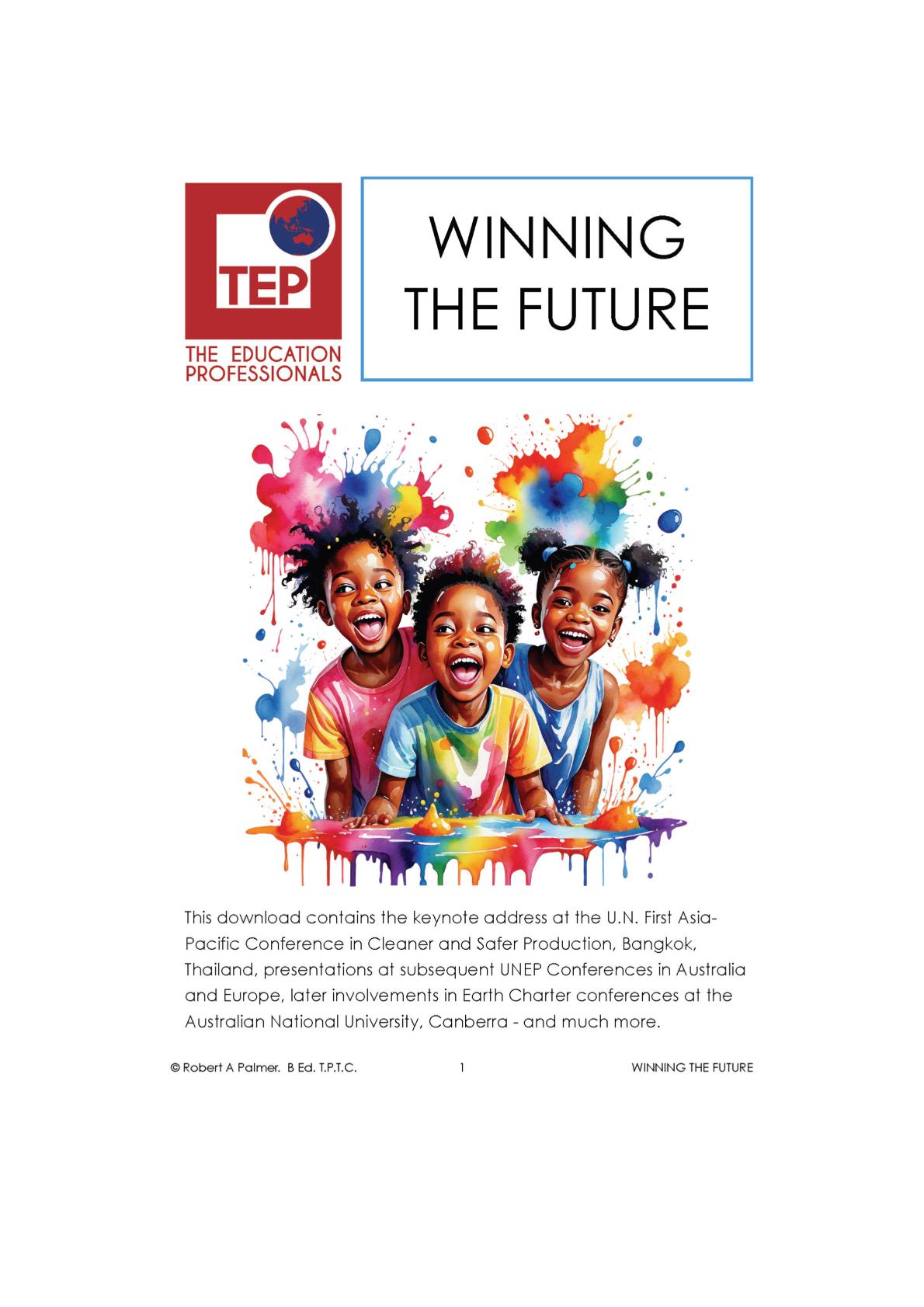
Cover of the Winning the Future learning resource

The Education Professionals

Free download

The Education Professionals offer "Winning the Future" — no-cost or low-cost learning sheets with a difference.

PDF resources for instant download.

Two ways of thinking

The differences between ‘education’ and ‘learning’

These two words are not synonyms and are certainly not interchangeable.

From the outside in

Education

  1. 01Something an individual gets from an outside source.
  2. 02Provided by a particular group, school or university, with set standards.
  3. 03Something one gets at a particular point in life.
  4. 04Structured and organised by others.

From the inside out

Learning

  1. 01Central to the brain’s basic search for information, beginning even before birth.
  2. 02Evolves at the personal level, with no set standards.
  3. 03An ongoing process from birth through to death.
  4. 04Related to an individual’s perceptions and circumstances.

A thought from Plato

For Plato, education was more than memorising facts while sitting in a room from youth to maturity.

The thinking behind the activities

Research, and the results.

Activities for primary and secondary students, aligned with—but extending—any set curriculum.

Robert Palmer’s research
40+years comparing educational outcomes
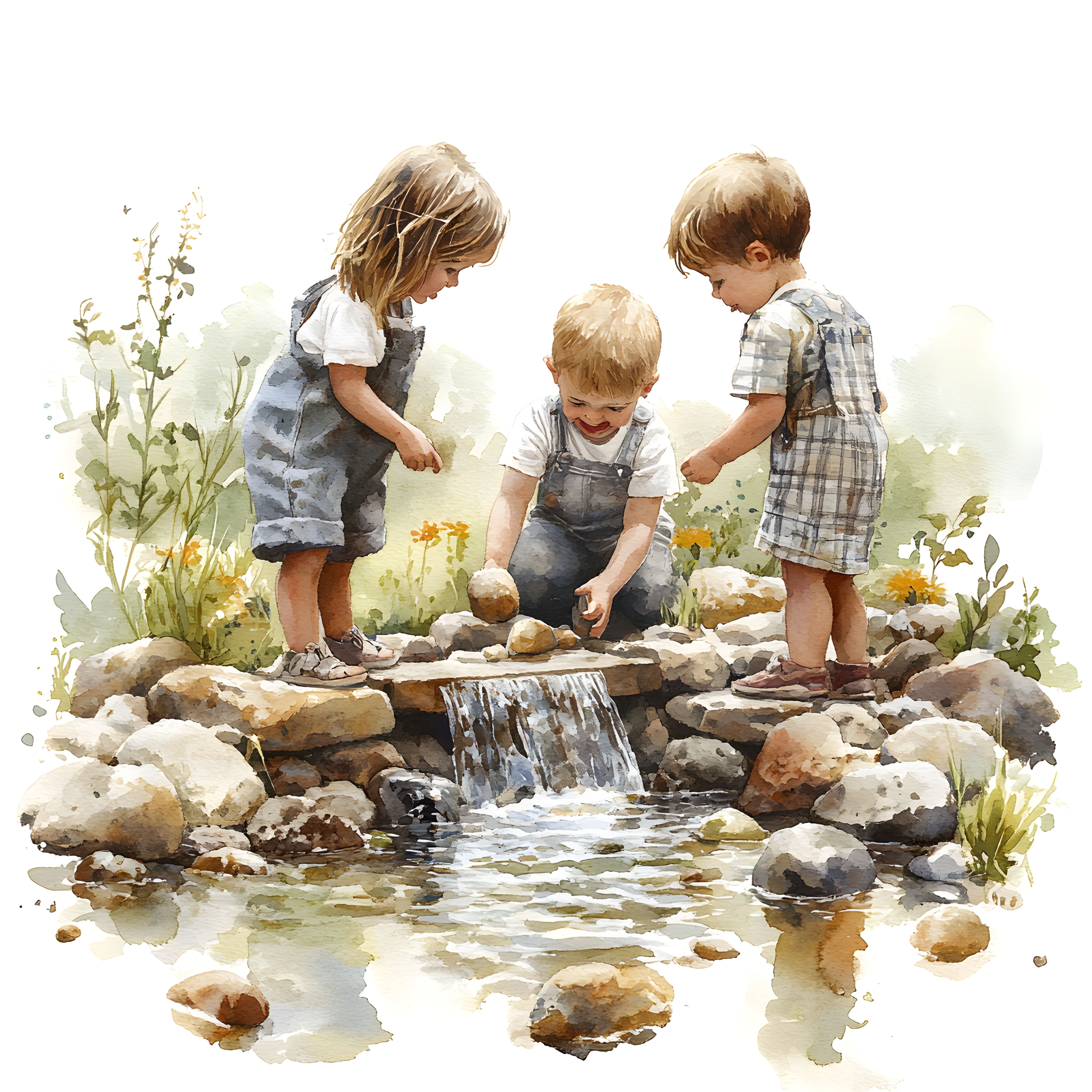
Watercolor illustration of three young children playing with rocks by a small garden waterfall.

For more than forty years, author and educator Robert Palmer, founder of The Education Professionals Pty. Ltd., has compared desired educational outcomes across all Australian states and territories, as well as England, Ireland, Canada, Cyprus, Africa, New Zealand, India, China, Japan, Thailand and America.

The results reach beyond a worksheet. His approach has helped students gain scholarships to highly-accredited private colleges, reach the top ten-percent of a group, or win internships and apprenticeships.

Proven over many years in classrooms and homes, the resources offer personal satisfaction for effort and value for money. Teachers and parents can select and print activities, then develop individual packages around a learner’s personal interests.

A closer look at learning

We have much to share

You may be surprised to know that dinosaurs were engaged in Natural Learning thousands of years before humans were living on Earth.

Your brain is more powerful than any computer in existence.

A remarkable network

100 billion

About 100 billion nerve cells make up the brain’s vast network.

In motion

120 m/s

Signals can travel at up to 120 metres per second.

Small power, big ideas

12 watts

The brain runs on about 12 watts of power; a desktop computer uses around 175 watts, and a laptop about 60.

Beyond processing

Computers are faster at logical processes, but our brains are better at interpreting the outside world and coming up with new ideas—with imagination, creativity, problem-solving and ethical decision-making.

Learning throughout life

More about Natural Learning

Understanding grows through taking part.

Natural Learning is the process through which people develop understanding, skills, judgment and adaptive capacity by engaging with experiences, questions, people, environments and information. It is called “natural” because learning does not begin with a timetable, a textbook or a classroom.

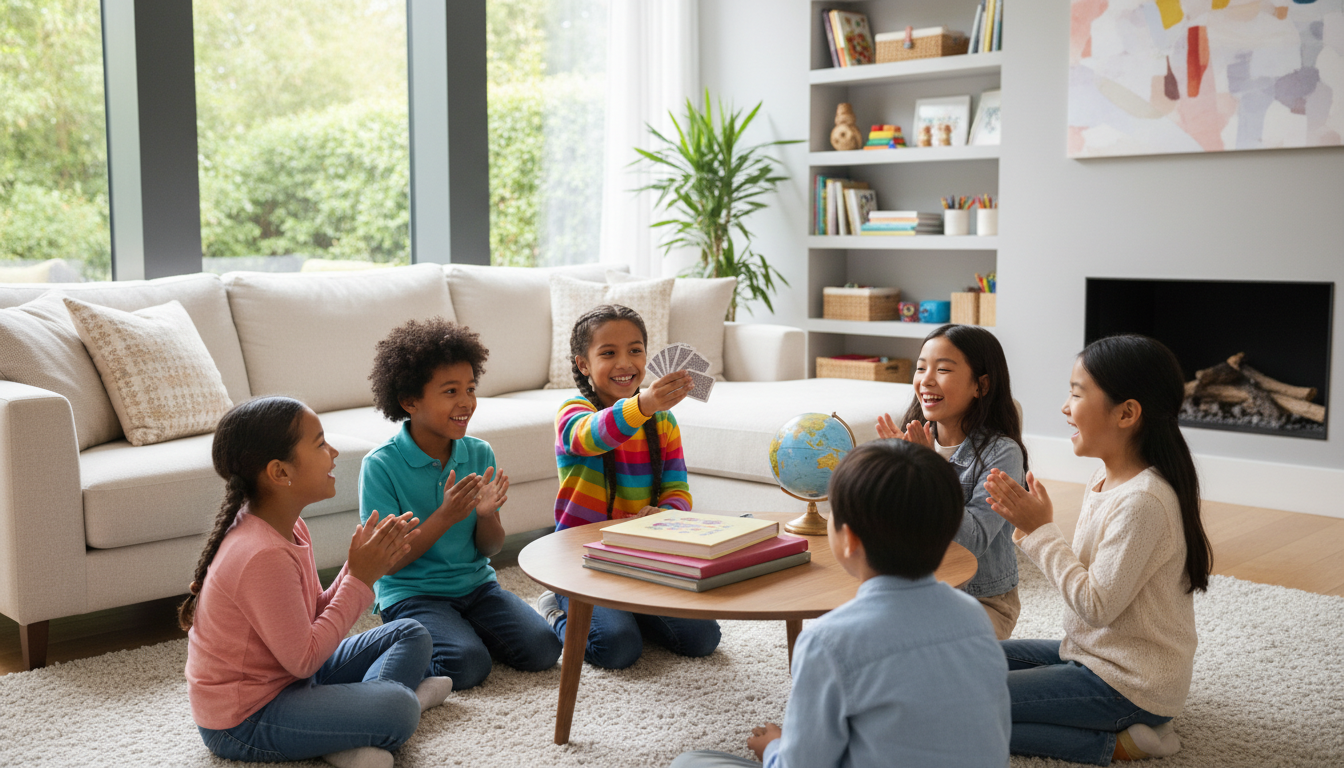
Children laughing as one performs a magic trick with cards in a bright living room.

The ways we learn

01 / Early childhood

A young child

A young child learns by watching, touching, listening, moving, imitating, experimenting and repeating.

02 / Teenage years

A teenager

A teenager learns through conversation, play, observation, investigation and experience.

03 / Adulthood

An adult

An adult learns through work, relationships, mistakes, problem-solving, reading, technology and reflection.

Freedom and guidance

Structure still has a place.

Natural Learning does not mean learning without structure. Freedom without guidance can become confusion, while guidance without participation can become passivity. The Education Professionals seeks to build a productive balance between the two.

In their words

What others have said

Our resources are built on successful interactions over more than four decades.

“I am very pleased that such an initiative has been taken to educate the future generations at an early age.”
Jacqueline Aloisi de Larderel, Director, United Nations Environment Programme
“The view of the Board was that the program is by far and away the most comprehensive and advanced program we have ever seen.”
Robin Crawley, Executive Director, Banksia Environmental Foundation
“During my extensive travels throughout the world I have neither discovered nor observed any initiative that is as extensive, highly integrated, or as thoroughly planned and developed...”
Professor Donald Huisingh, Lund University, Co-Chair of the Education Group, UNEP
“These resources will appeal strongly to practising teachers working under pressure.”
Warren Brewer, International Programs Consultant, Curriculum Corporation
“I would like to offer my endorsement for this wonderful program.”
Ike Naqui OAM, JP, Save the Children Fund

The thinking behind learning

Understanding how brains work

Every learner is different, and it would certainly be boring if everyone was the same! We use the latest findings from neuroscience to shape our programs, helping learners discover the ways in which they learn best, whether they’re pre-schoolers or senior citizens.

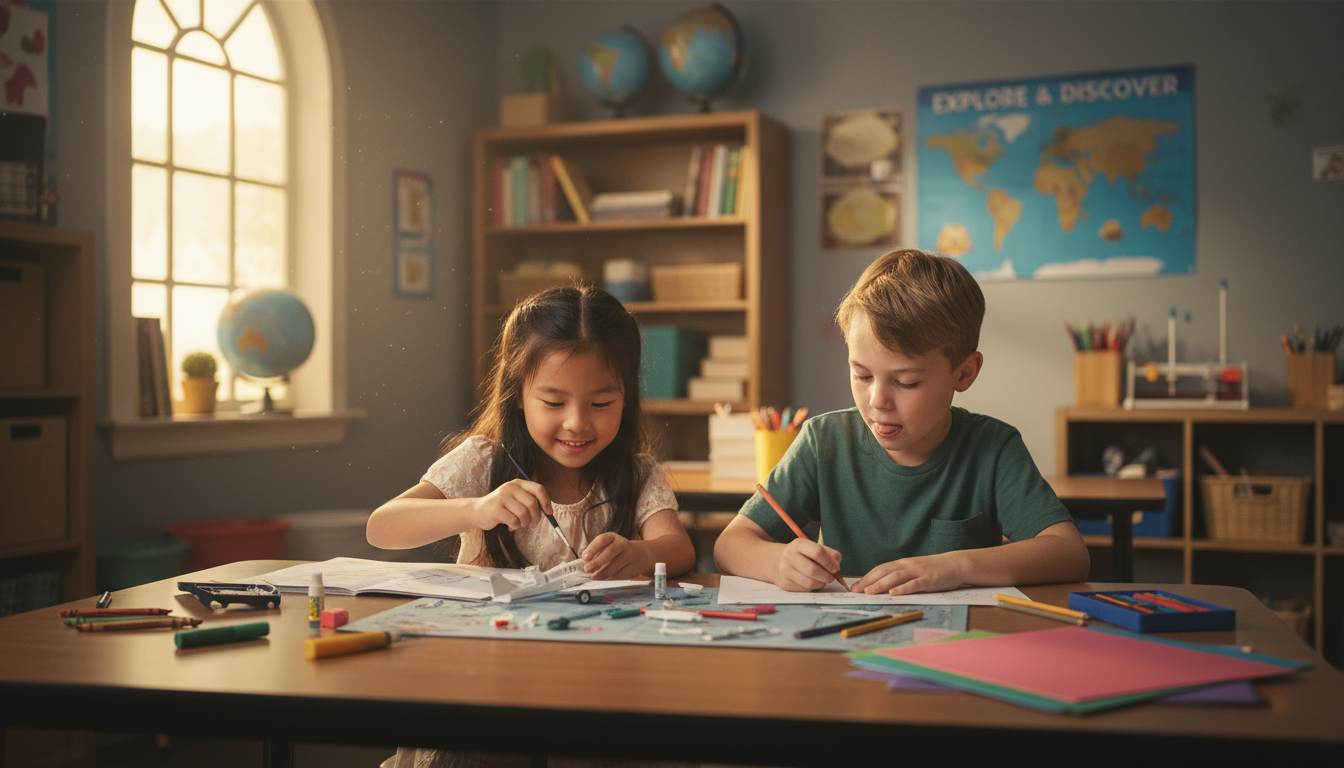
Two children of different ethnicities engaged in a creative activity at a desk.
01

Supporting memory and repetition

We deliver learning packages over time. Returning to an idea through spaced practice helps your brain lock in new skills and knowledge.

02

Encouraging active engagement

Passive listening doesn’t work. Our programs get you solving problems, asking questions and building confidence through hands-on learning.

03

Developing a growth mindset

Mistakes are learning moments, not failures. We help every age group see challenges as chances to grow.

Curiosity grows

Families and groups throughout the world have seen their children grow more confident, curious, and excited about their learning.

Learning across communities

An important relationship

The Education Professionals has developed a strong and valued relationship with The Gregory Children and Youth Organization in Uganda.

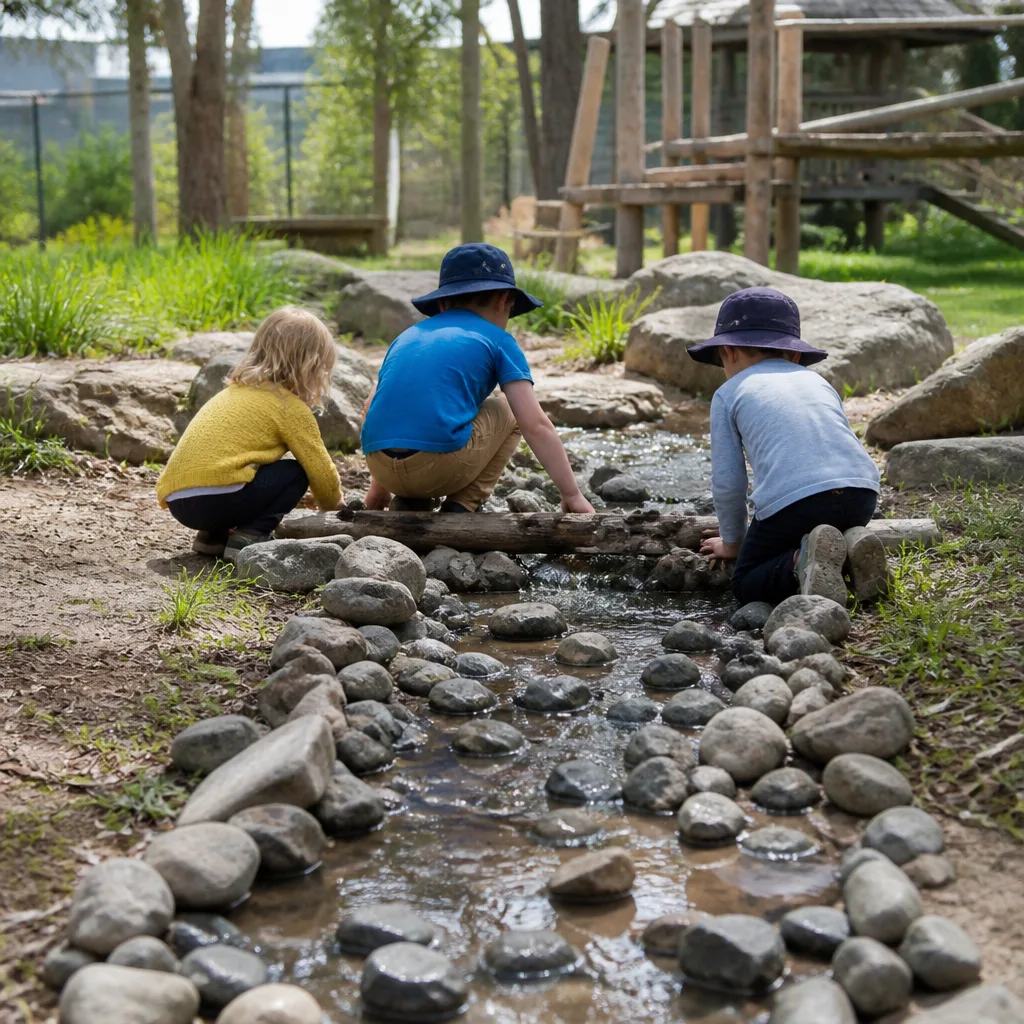
Children exploring a shallow stream

Lugazi Municipality · Buikwe District

Education reaches beyond the classroom.

The Gregory Children and Youth Organization is a not-for-profit in Uganda’s Central Region. It aims to inspire, empower and assist people in their communities to improve their standards of living. It is not a school, but is closely involved in education: many Learning Activity Sheets have been shared with district schools, and the organization is active in community sport.

Work in development

Local pathways, new possibilities.

A Nature-Based Tourism package is being developed to provide pathways to employment. Its topics connect an understanding of tourism with practical ways to engage customers and explore business opportunities.

  • The Importance of Tourism
  • Understanding EcoTourism
  • What is a Customer?
  • Marketing Yourself
  • A Tourism Business Survey

Student collections under development take their names from animals native to Uganda: Buffalo Bits, Crocodile Chuckles, Flamingo Fun, Gorilla Grabs, Lion Laughs and Rhino Ramblings.

Learning for a changing world

Learning experiences that are different.

The Education Professionals have developed no-cost or low-cost resources: learning sheets with a difference.

Education should help learners investigate tomorrow’s questions, not only reproduce yesterday’s answers.

The world in which our children are growing and learning is changing at extraordinary speed. The challenge is not simply the amount of information available, but the ability to decide what matters, ask useful questions, evaluate information and recognise uncertainty.

Learners also need opportunities to solve problems, communicate ideas and continue learning when circumstances change. Direct teaching, explicit explanation, practice, reading, writing, mathematics, assessment and carefully sequenced curriculum all have important roles.

Those foundations work alongside exploration, choice, application, discussion and reflection—giving learners ways to put what they know to use.
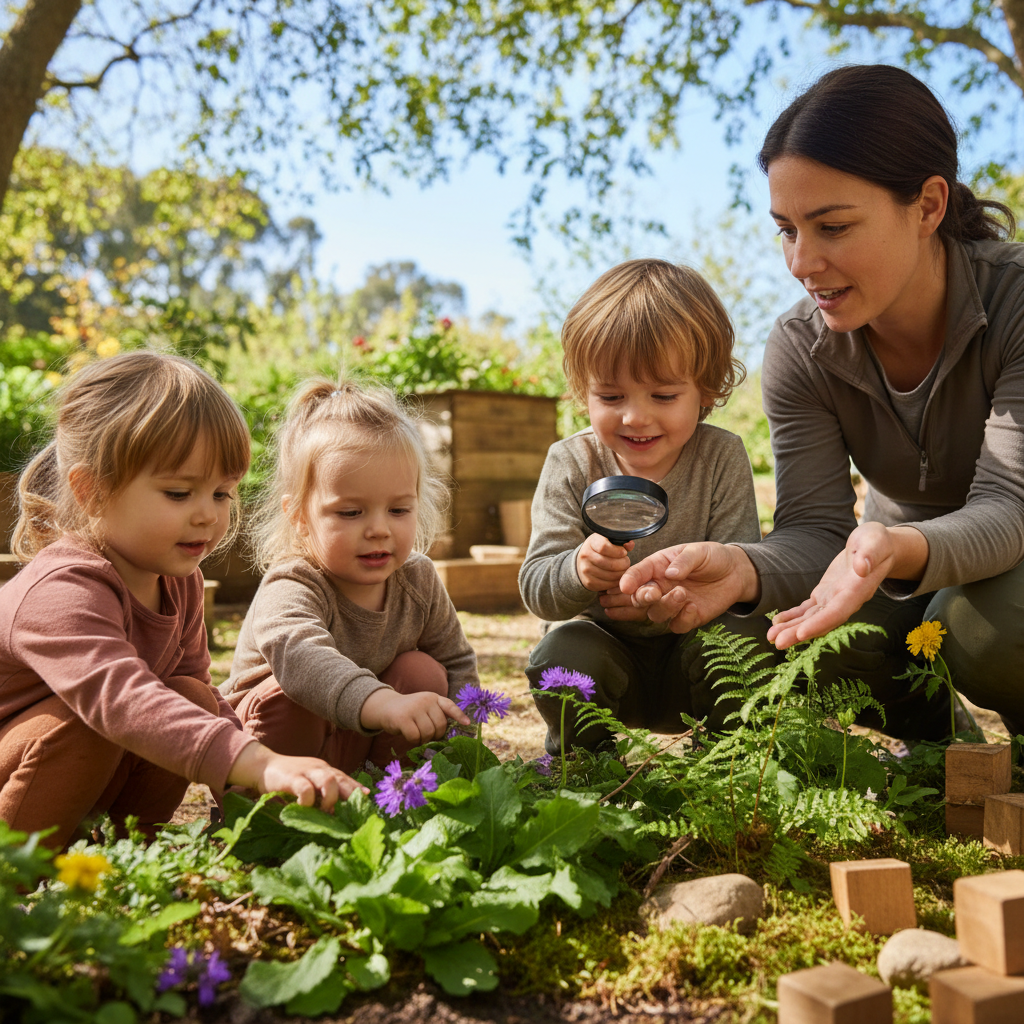
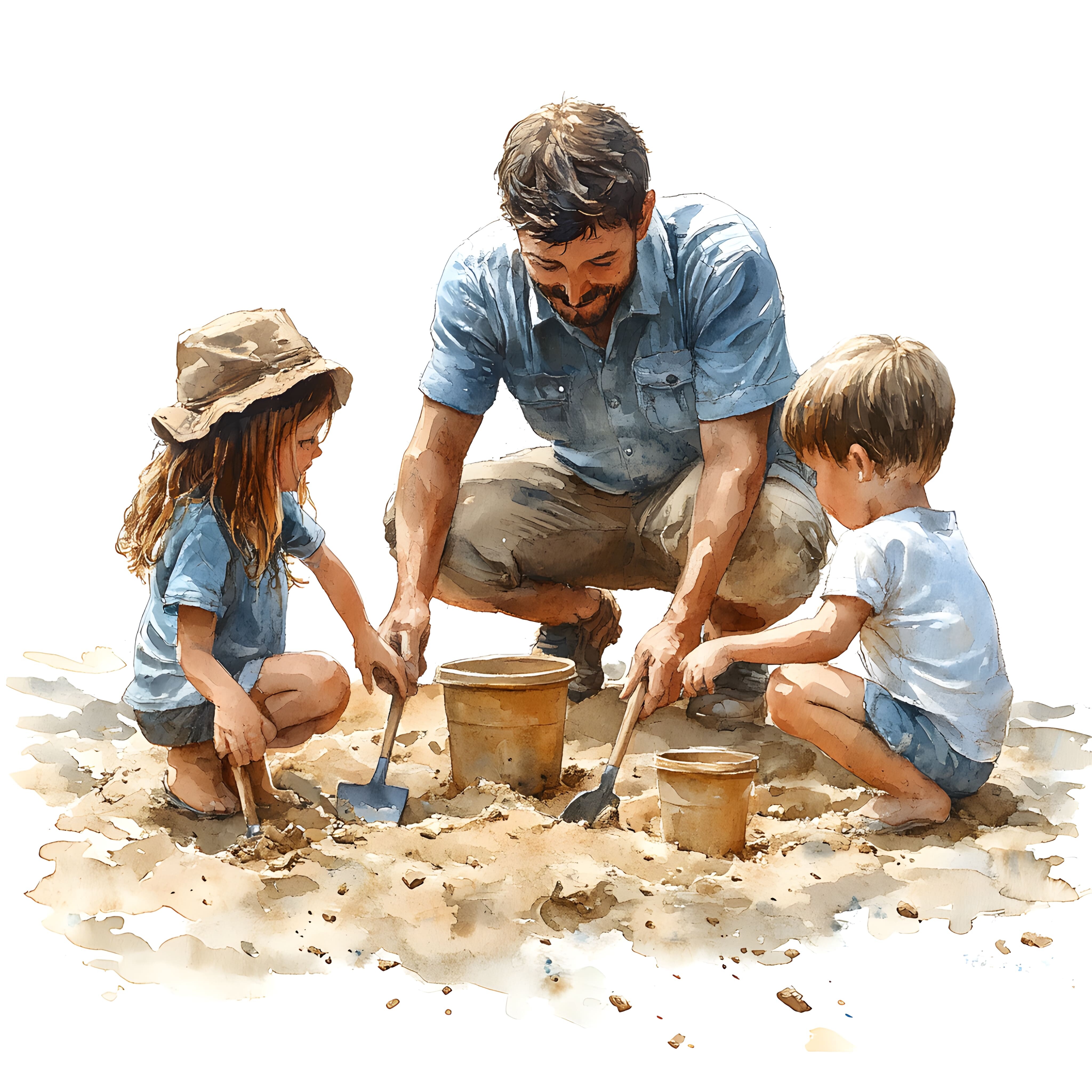
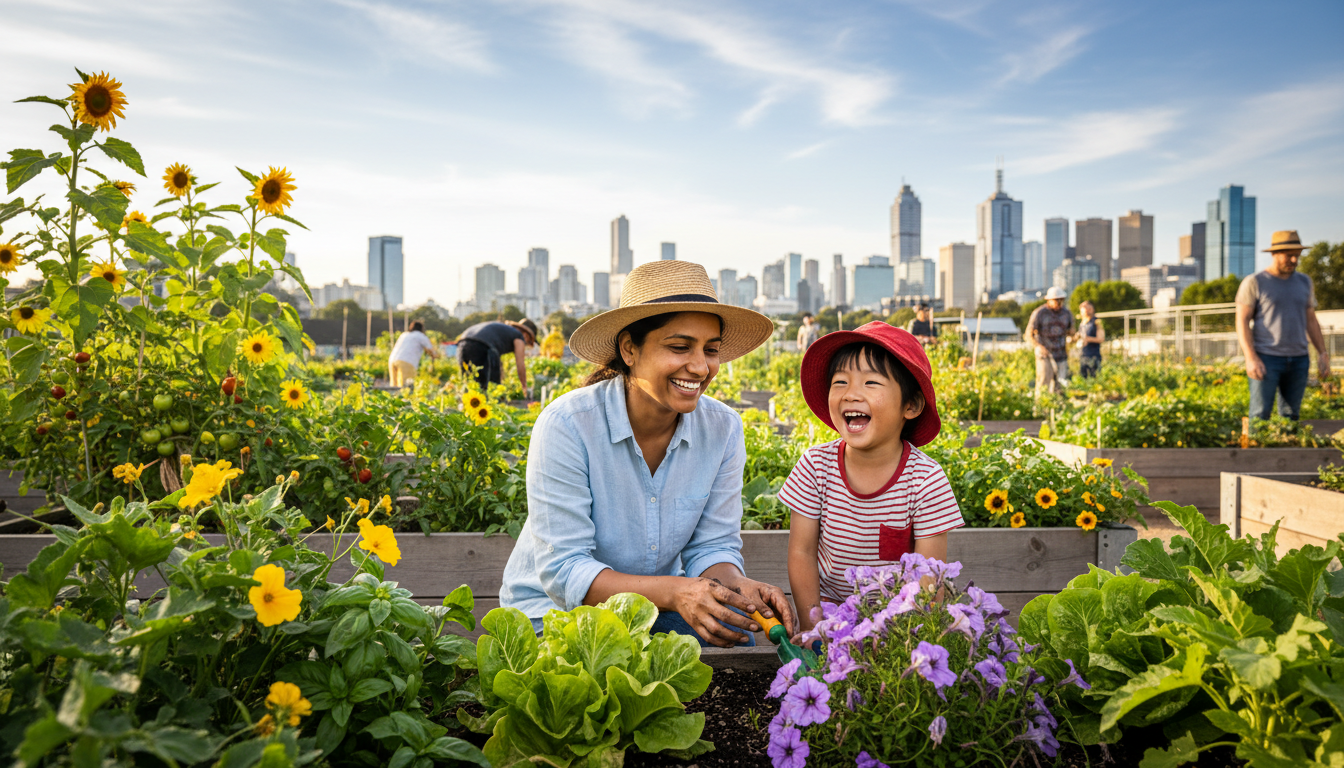
Adult and child from diverse backgrounds gardening together, laughing

A collection for every curiosity

Our learning collections

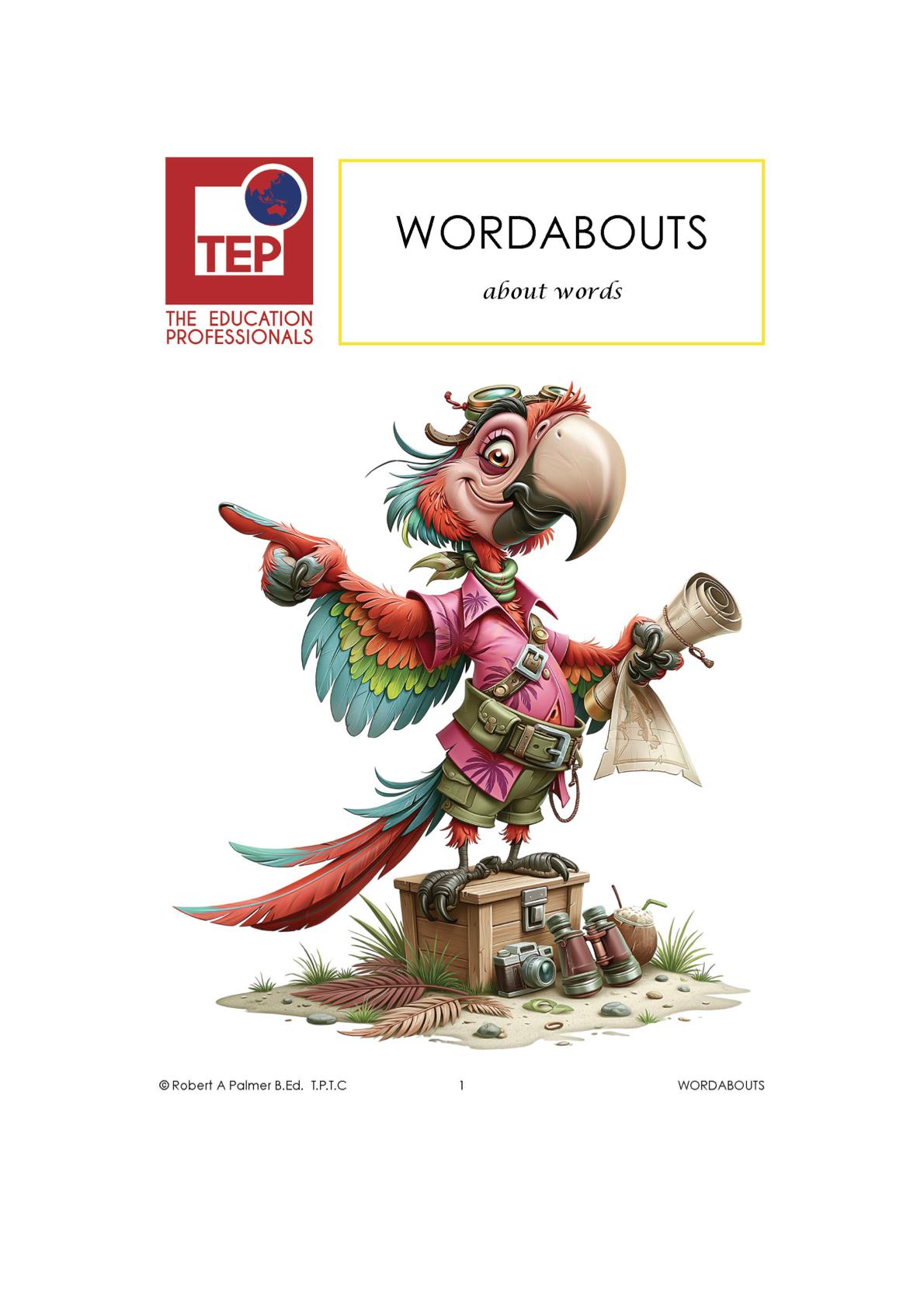
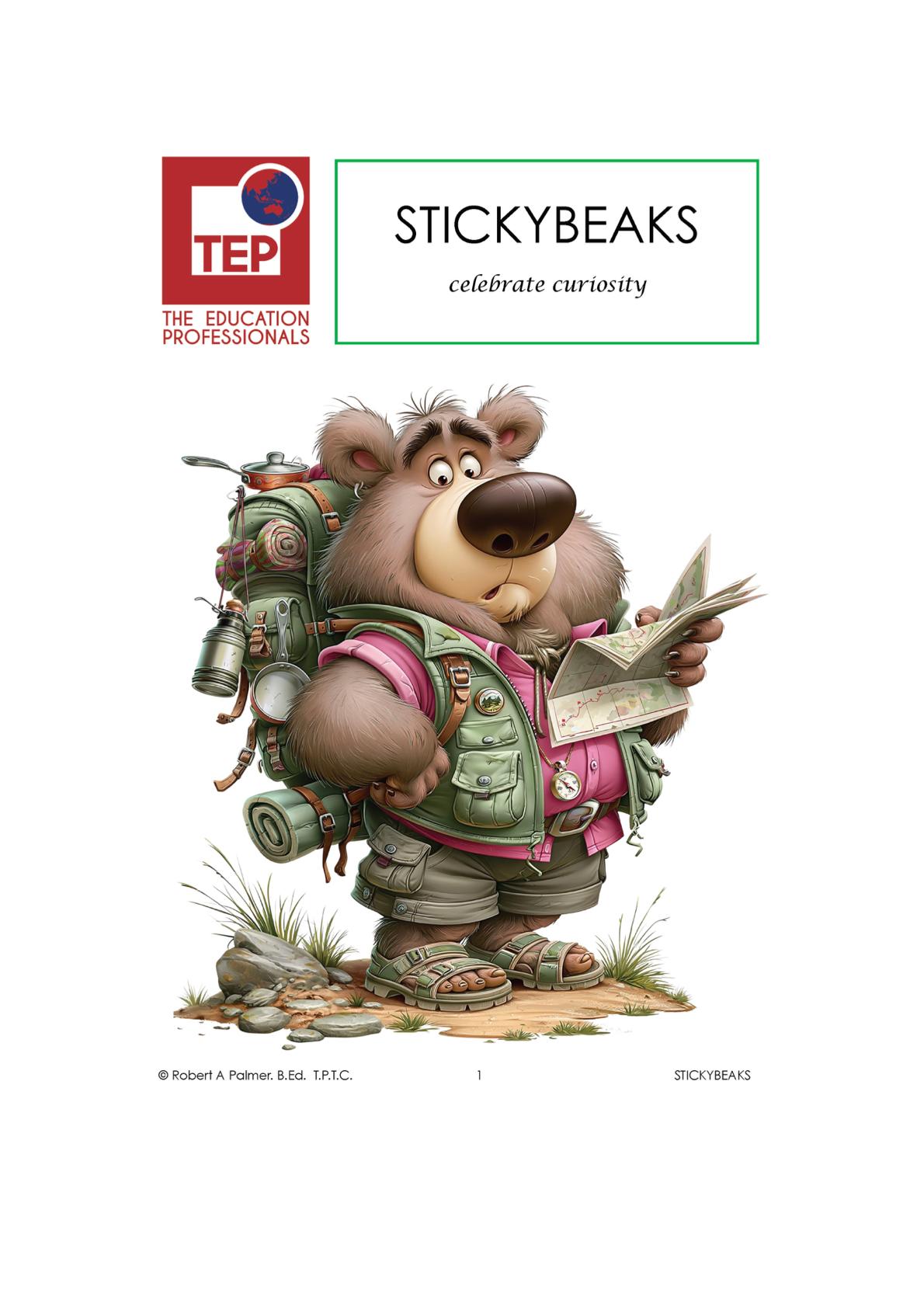
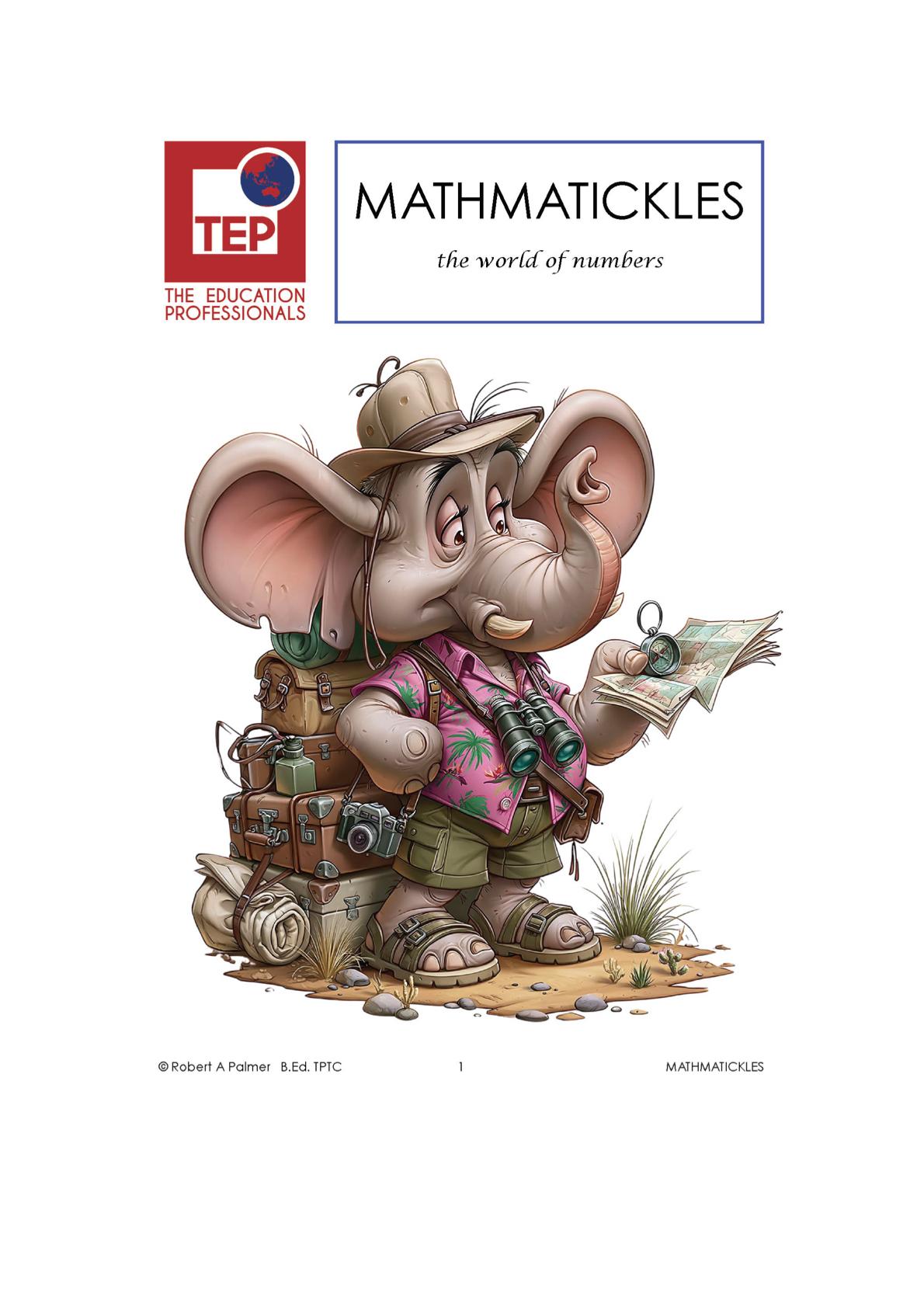
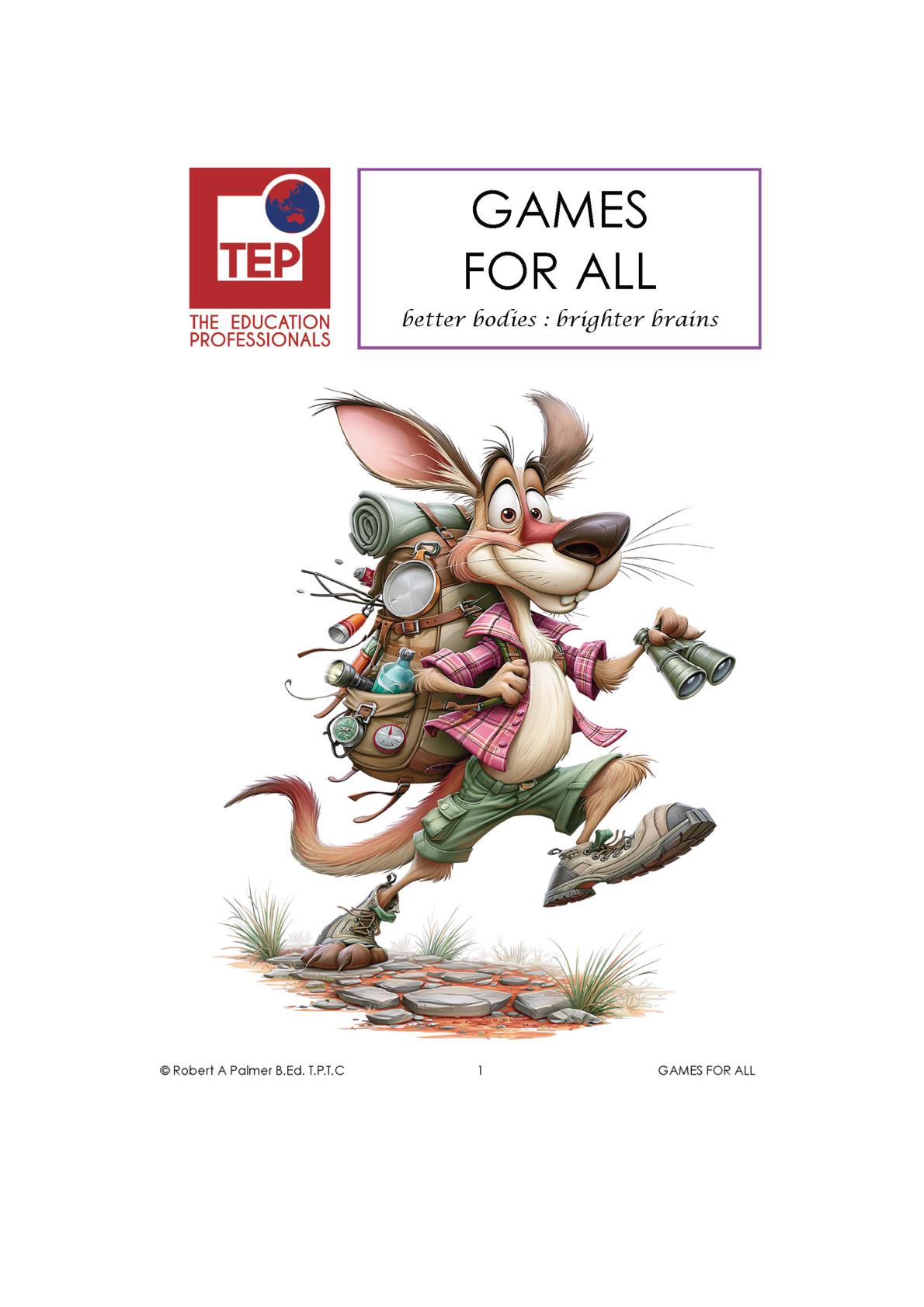
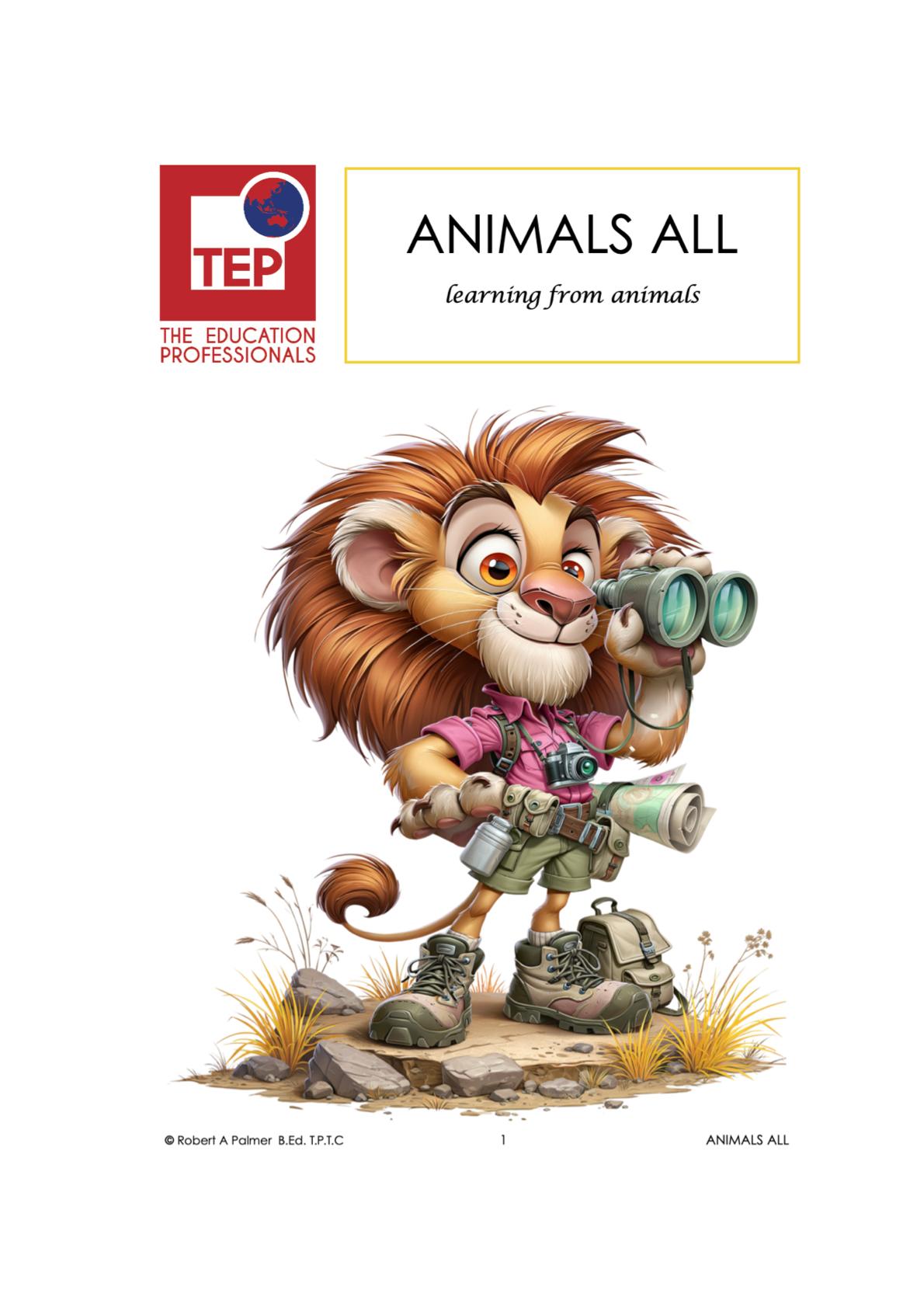
Explore widely different themes and presentation styles. Every collection contains at least 100 learner-tested activities, from highly visual pages to mainly word-based ones.

Explore the animal world

Animals All

Age 8 life-years and upwards100+ activities · 60-page A4 PDFInstant download

Return to an idea, then see it differently. Activities reappear across collections, strategically placed for revision. Each PDF looks identical on a computer, phone or tablet.

Collections are available for instant download immediately after payment. Because they are instant downloads, returns, exchanges and cancellations are not permitted.

A question before you begin?

Let’s find your next starting point.

Tell us who you’re learning with and what you’d like to explore. We’re based in Melbourne and would love to hear what’s caught your curiosity.

Who are the resources for?

Families who home educate, teachers and parents can use the packages with learners at different stages, from early childhood to senior adulthood.

How do I receive a package?

Packages are PDFs available for instant download immediately after payment.

Can I book a tutoring session?

edprofs.com offers downloadable learning resources rather than tutoring sessions.

Ask us about a resource

Send an enquiry about a learner, an activity or the kind of resource you’re looking for.